By Betty Luke
For years, Catherine Makena believed the persistent aches in her joints, the constant fatigue and bouts of forgetfulness were signs that something was seriously wrong with her health.
Like many women approaching their 50s, she made frequent visits to health facilities and relied heavily on painkillers, unaware that the symptoms were part of a natural stage of life.
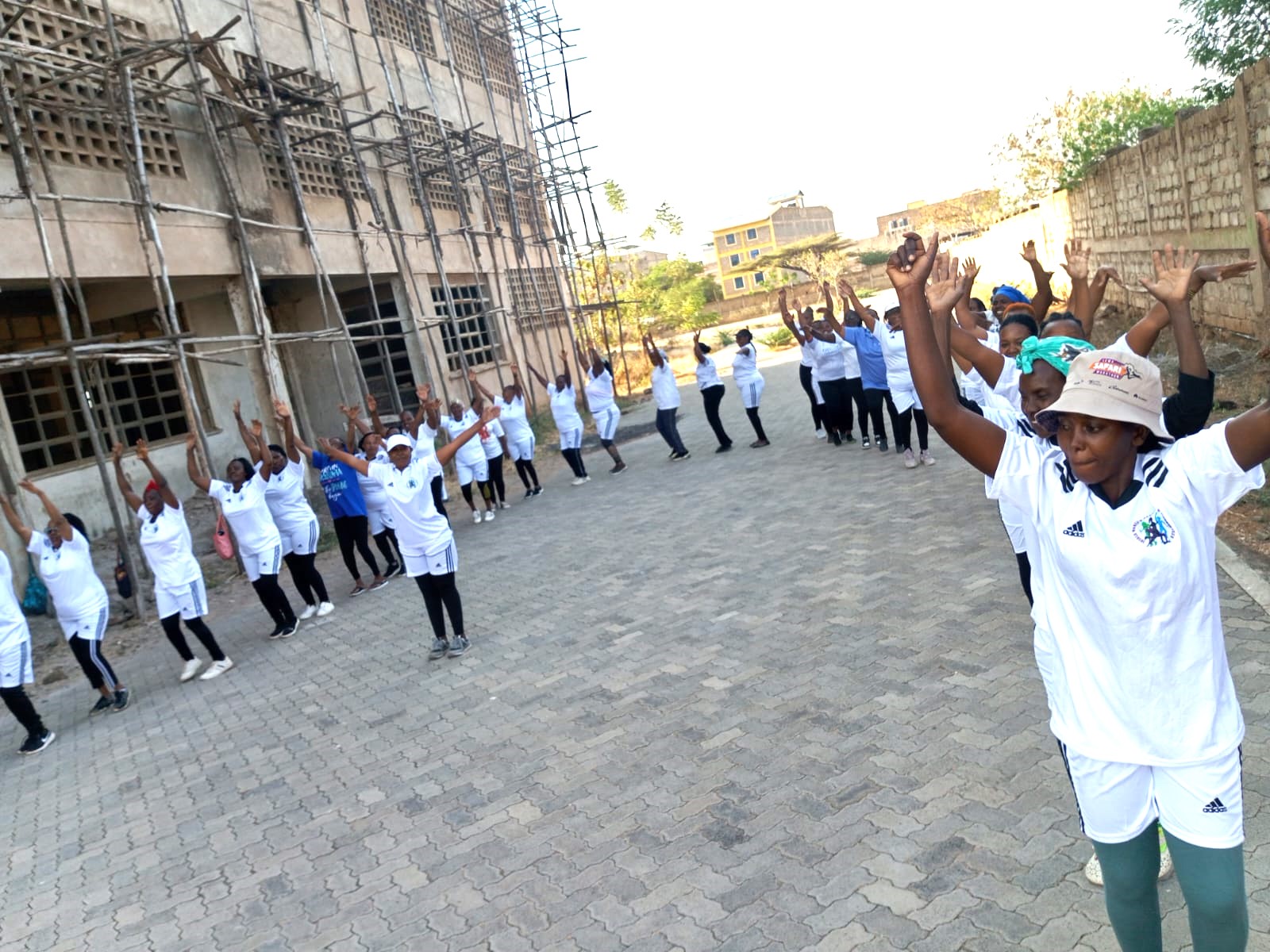
Today, the 44-year-old no longer depends on medication as she once did. Instead, every Monday evening, she heads to Isiolo Stadium, to join dozens of other women for two hours of physical exercise, a routine she credits with restoring her strength and confidence.
“I thought I was sick and needed treatment,” she says. “Now I understand that my body needed movement. I can run comfortably, and the pain has reduced tremendously.”
Makena is among members of the Isiolo Women Mental Wellness and Fitness club (IWMWF), a community-based initiative using exercise and peer support to help women cope with menopause and other life challenges.
While fitness is the visible activity, members say the group offers something deeper, a safe environment where women can openly discuss experiences that are rarely talked about in public.
Many of those attending are over the age of 40 and are balancing multiple responsibilities, including raising children, caring for ageing relatives, managing businesses and dealing with financial pressures. For some, menopause has added another layer of physical and emotional strain.
Chairperson Rachael Njogu says the initiative was born after noticing that many women were quietly struggling through this stage of life without understanding what was happening to their bodies.
“Most women keep these experiences to themselves because society rarely talks about menopause. Some think they are suffering from illnesses, while others simply endure the discomfort in silence,” she said.
The organisation intentionally combines physical activity with conversations, allowing members to exchange experiences, encourage one another and learn practical ways of managing the transition.
“We wanted women to know they are not alone. Menopause is a natural phase of life, and regular exercise, alongside emotional support, can make the journey much easier,” Njogu added.
Medical experts describe menopause as the permanent end of menstruation, confirmed after a woman has gone 12 consecutive months without a menstrual period. It follows a natural decline in estrogen and progesterone, hormones that regulate the reproductive system.
Before reaching menopause, women experience perimenopause, a transition that often begins in their 40s and may bring hot flashes, irregular menstrual cycles, mood changes, sleep disturbances and joint pain.
The stage that follows, post-menopause, continues for the rest of a woman’s life. Menopause may also occur earlier because of surgery or cancer treatment.
For cereal trader Prisca Kinya, the weekly sessions have brought relief from years of physical discomfort caused by long hours sitting at the market.
“I spend most of the day seated and then ride home on a motorcycle. My body had become stiff, and even bending was difficult,” she said. “Since joining the programme, I feel more flexible, stronger and happier.”
The transformation extends beyond physical health. Members say the friendships formed during the sessions have helped reduce loneliness and created a network where women feel comfortable discussing issues ranging from parenting and family conflicts to emotional wellbeing.
The group has called on the county government of Isiolo to support access other extra activities including a trip to the parks saying that could positively impact their mental wellbeing.