By Betty Luke
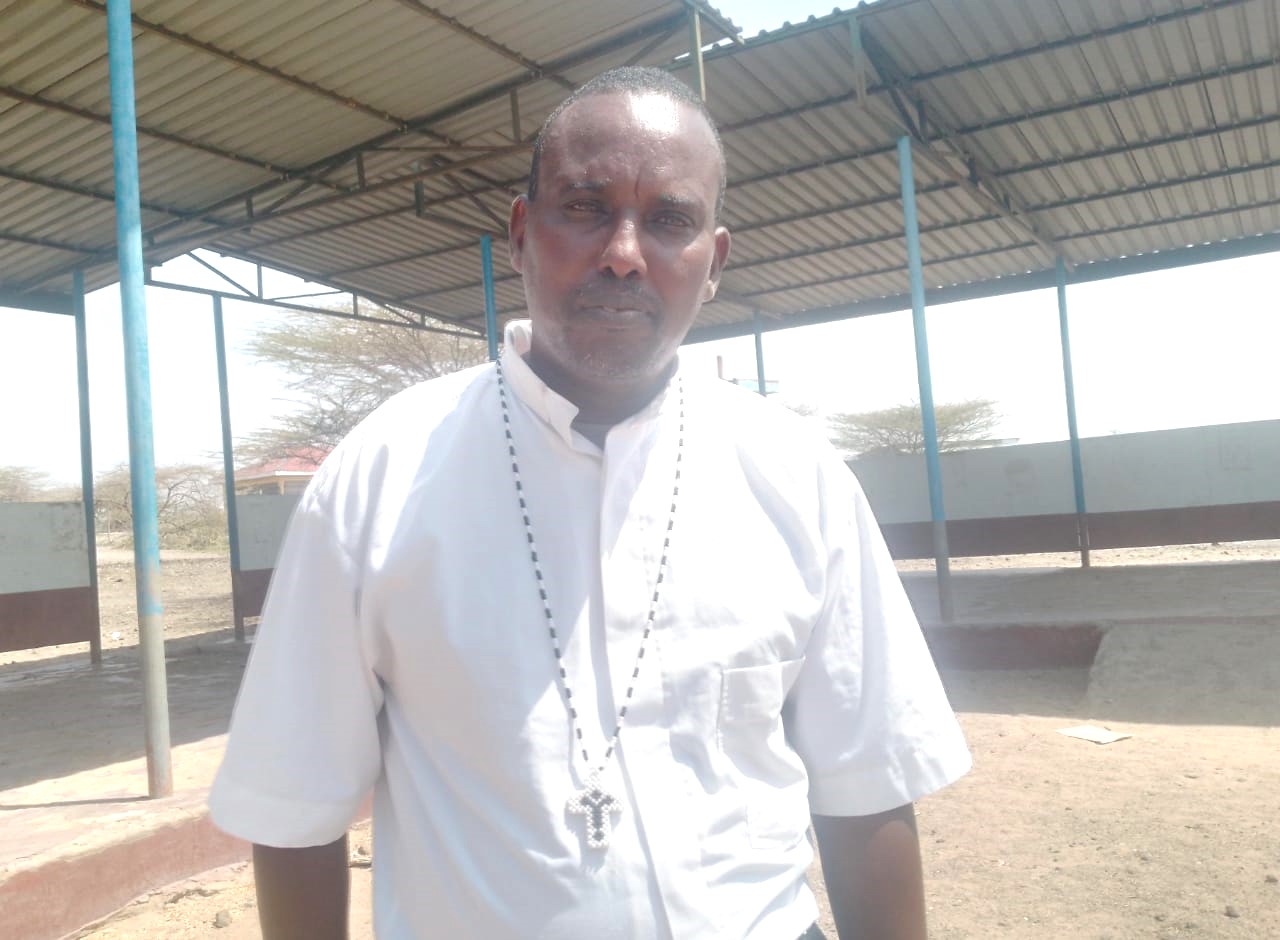
Bitterness is all over the face of Omuro Borano, a cleric based in Kargi ward, Marsabit County.
A memory of the loss of his two parents and tens of his followers to throat and stomach cancers has been draining him emotionally amid fears of who the deadly disease could claim next if no immediate interventions are provided.
His mother, the man of the cloth narrates, started complaining of pain in her neck whenever she swallowed food, had a low appetite, and increasingly lost weight within a short period in November 2006.
“She could not eat anything because of the pain she felt in her throat. She developed a swelling on the left side of the neck, a week later,” he shares.
Their worst fear was confirmed in January of the following year when they took the patient to a faith-based healthcare center in Loiyangalani where it was established that she had Stage IV Throat Cancer.
“Sample for a biopsy test was sent to Kenyatta National and Kijabe hospitals that confirmed my mother had throat cancer. It was too late for treatment,” he said fighting back tears.
After two months at the hospital, Mr Borano’s mother was discharged with medics advising that she could be put on painkillers to only ease the pain.
She died five months later.
Unknown to the cleric’s family, his father would three years later be diagnosed with cancer of the stomach while at an advanced stage. He died two weeks after the diagnosis at Marsabit County Referral Hospital.
“Within the period my parents fell sick, the region was experiencing a severe drought that had led to the death of thousands of animals. The few (animals) left were sold to enable us to manage my mother’s treatment. We were left poor,” he said during an interview with The Press Point.
Another resident, Jeremiah Semeiko had a similar experience. His mother also died of stomach cancer.
“The right side of her stomach started swelling until we thought the belly would burst. We rushed her to Mt Kulal where we were told she had liver cancer. She died two weeks later, aged 60,” he shares.

A 82-year-old ex-Kenya Wildlife Service (KWS) employee Ngala Choiya Noor suffered double tragedy a few years after retiring in 1992.
Besides losing his first wife Madina to stomach cancer, he lost 700 of the herds he had bought using part of his pension.
“The animals were my only wealth. I expected them to enable me to educate my children. I lost everything. My wife was an outgoing woman, she was friendly to his co-wives,” recalls Mr Choiya.

Residents living in Kargi, Karare, Loglogo, Laisamis, Loiyangalani and Korr/Ngurunit wards within the vast Chalbi desert attribute the cancer prevalence to the underground water that they consume.
According to the residents, the water was contaminated by nuclear waste that was allegedly dumped into the area during an oil exploration exercises in the 1980s.
Former Lugari MP Cyrus Jirongo recently claimed that the then Ministry of Energy while pretending to be scouting for oil in the region knowingly dumped nuclear waste in Northern Kenya.
During an interview with PLO Lumumba, the ex-Minister claimed to have accessed documents with information about the dumping.
Past assessments by different stakeholders including a Roman Catholic Priest from Italy, the Water Resources Management Authority (Warma) and non-governmental actors confirmed that borehole water in Kargi was unfit for human consumption due to high levels of nitrate, sodium chloride, nitrite, arsenic and other metals.

Ms Assunta Galgithele a nurse who worked at a health center in Kargi for a decade says the disease has devastated hundreds of families with those alive living in constant fear that they could also be diagnosed with the disease.
“It is sad selling all your livestock and later seeing your loved one die a painful death,” she says.
The Rendille community, which is among the most affected by the crisis, wants the National Assembly to undertake a comprehensive and independent investigation into the alleged dumping that has caused untold suffering to the residents.
“We hold a deep concern for the health, safety and well-being of our people and the integrity of our land….We demand the establishment of a just compensation plan to provide reparations for the suffering endured by the Rendille people and their families,” read part of the memorandum.
The residents additionally want a cancer treatment center established in Kargi to help with early diagnosis to save lives.
“Majority of the patients die because they are diagnosed late. The government should carry out a massive screening exercise so those who are sick can start their treatment in time to save lives,” added Ms Galgithele who is also the area’s former MCA.
Pastoralists Peoples Initiative (PPI) official Stephen Basele faulted the government over failure to address the issue that has been raised through multiple media reports for over a decade.
The organization, which champions for the rights of pastoralists, Mr Basele said would push for justice for the over 500 cancer deaths that they had documented as well as for the patients who are alive today.