By Betty Luke
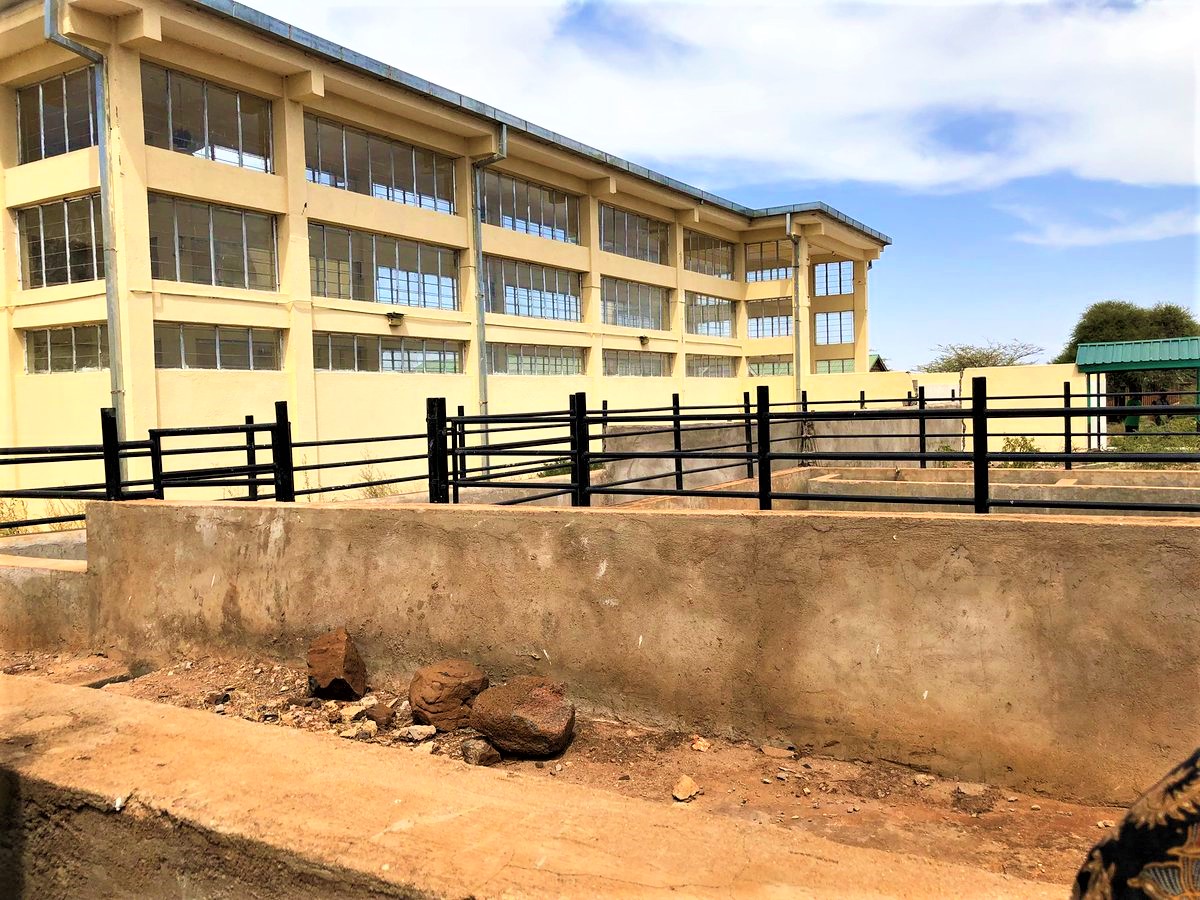
Livestock farmers in Northern Kenya counties are set to reap big following the expected completion of the Isiolo export abattoir.
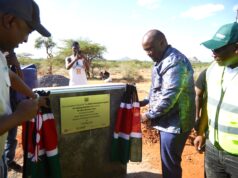
During an inspection exercise to assess progress of the facility, Agriculture CS Mithika Linturi regretted the long time that the abattoir had taken to complete but noted that all systems had been put in place to ensure it was operationalized in three months.
“The contractor has promised that work will be complete in 60 days but due to the unforeseen barriers, we have given him an extra month to finalize works,” the CS said, adding that the facility will offer employment to hundreds of people and boost the local economy.
“Since livestock production significantly contributes to the country’s economy, the government is deliberate in completing the abattoir as it will greatly impact the beef, dairy and leather value chain in the country,” he noted.
Livestock PS Jonathan Mueke said that upon completion the facility would reduce incidents of cattle theft that had become a thorn in the flesh among pastoralist communities.
“We shall put in mechanisms to verify ownership of the animals to ensure no stolen animals are brought here,” PS Mueke who accompanied the CS noted.
Isiolo County Agriculture Executive Yusuf Mohammed blamed the unforeseen challenges for the delayed completion of the facility but noted that efforts were in top gear.
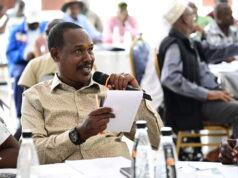
“Despite drilling boreholes to support running the facility, we are experiencing several unexpected challenges including saline water in the area. We need an extra Sh170 million to sort out such and other challenges so that the abattoir is completed within the expected time,” said Mr Mohammed.
Upon completion, the facility is expected to process over 450,000 animals every year, raising an estimated Sh400 million revenue in seven years, while impacting at least 20,000 households.
The export abattoir that was handed over to the first county government in 2014 was among four built under the late Mwai Kibaki’s Vision 2030 economic stimulus program. The others are in Wajir, West Pokot and Garissa counties.
By 2020, an estimated Sh1 billion had been pumped into the facility which is being co-funded by the two levels of government.
IIn the same year, the facility secured Sh800 million from the World Bank, with officials claiming to have received only Sh450 million, for the purchase of equipment including chillers, washing machines, refrigerators, and rollers among others.
The said equipment was delivered early this year.