When people ask my opinion about the hustlers, I always tell them that whoever choose the word as a political slogan didn’t take time to analyse its real import.
The verb to hustle is to struggle, while the noun hustler, is to commit henous deeds or be a devious fellow.
When this becomes difficult for those with little understanding of English language, I usually simplify for them with another verb and its derivative noun.
The verb prostrate is to lie facing down, while the noun prostitute is a person who solicits money for sex.
Caught in the mix, it is no wonder that a certain political leader is glorifying any immoral and ineptitude in order to justify the inadvertent choice of a campaign slogan.
This clever cover up has seen this leader’s political group put emphasis on mundane issues such as coining slogans such as ‘Kazi ni Kazi’, ‘Mama Mboga’, ‘Maskini ni Watu’ and so on.
In messaging and spinning, these are corrective clichés aimed at sanitizing negatives.
Given a second chance, I am sure this particular leader would pick another slogan and not, hustler.
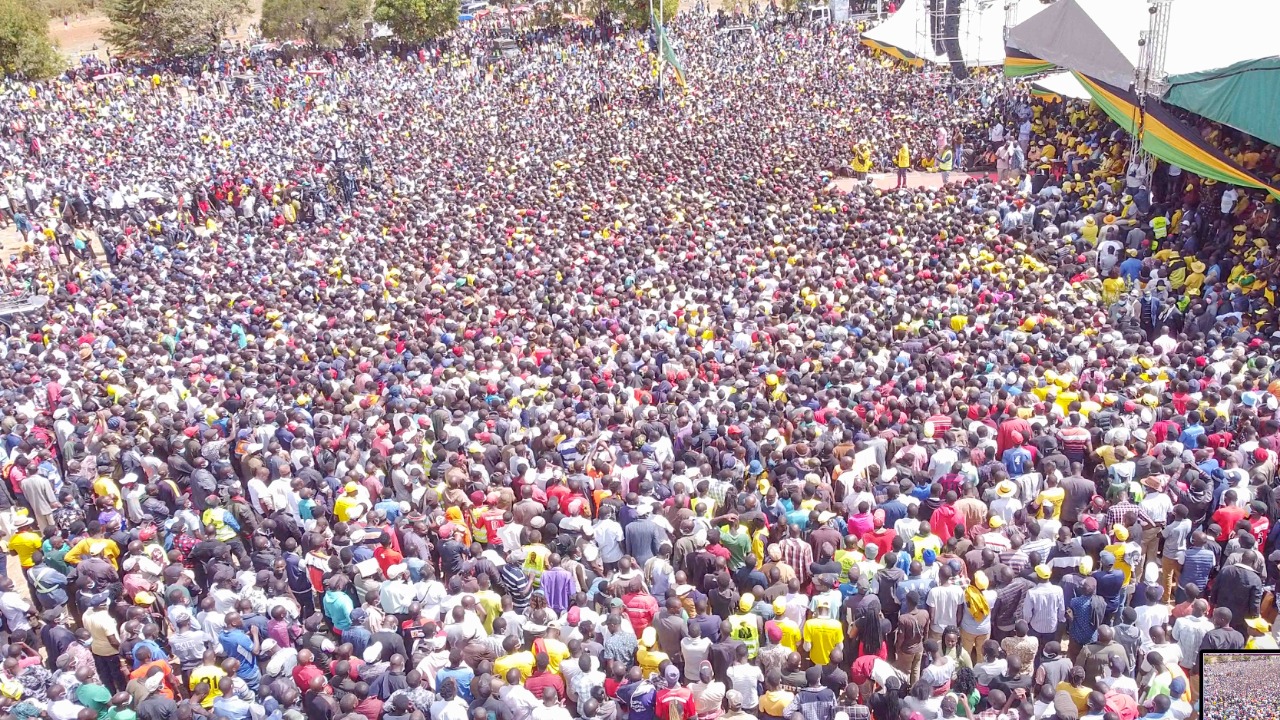
That as it may, the hustler or if you may, the hustler revolution or nation has become a brand that cannot be discarded without inflicting political damage to its owner.
In this case the correct definition of hustler, is “Poor masses and rich influential people whose motive and goal is to acquire political power”.
Who controls the hustlers? What are the factors and dynamics that play a role in the hustler narrative?
To answer these queries, it is important to analyse the nature and characteristics of politics in Kenya.
Politics in Kenya is ethnic, tribal and regional based. These are the factors that political kingpins take advantage of in order to form political parties and thereafter broader support across the country.
Political kingpins control and get support regardless of gender, age and economic status of voters within their ethnic enclaves.
For instance, majority women in an ethnic enclave will support and vote for their local leader.
In fact there is no homogeneous factor that one can pinpoint as influencer of voting pattern in this country.
In this case when viewed objectively, the poor or rich in an ethnic group will more likely support and vote for their political leader.
That means that unless a tribal kingpin seeks out other tribal kingpin or kingpins to go coalitions, it is difficult to win a presidential election in this country.
For instance, the notion of a homogeneous hustler group is a risky assumption.
This is because when real campaigns commence, every leader will have control over the so called hustlers in their regions.
However, proponents of a humongous national political party doesn’t agree with this explanation while those for party coalitions do.
This being an election year Kenyans like yours truly are eagerly waiting to see whether politics will play out differently and negate ingrained ethnicity and tribal factors.
Otherwise anything or anyone going against the order of nature could be asking for too much to handle.
Kaunda wa Muchunku
Do you have a commentary you want featured on thepresspoint.com, share with us via thepresspoint07@gmail.com