By Salim Mutuma
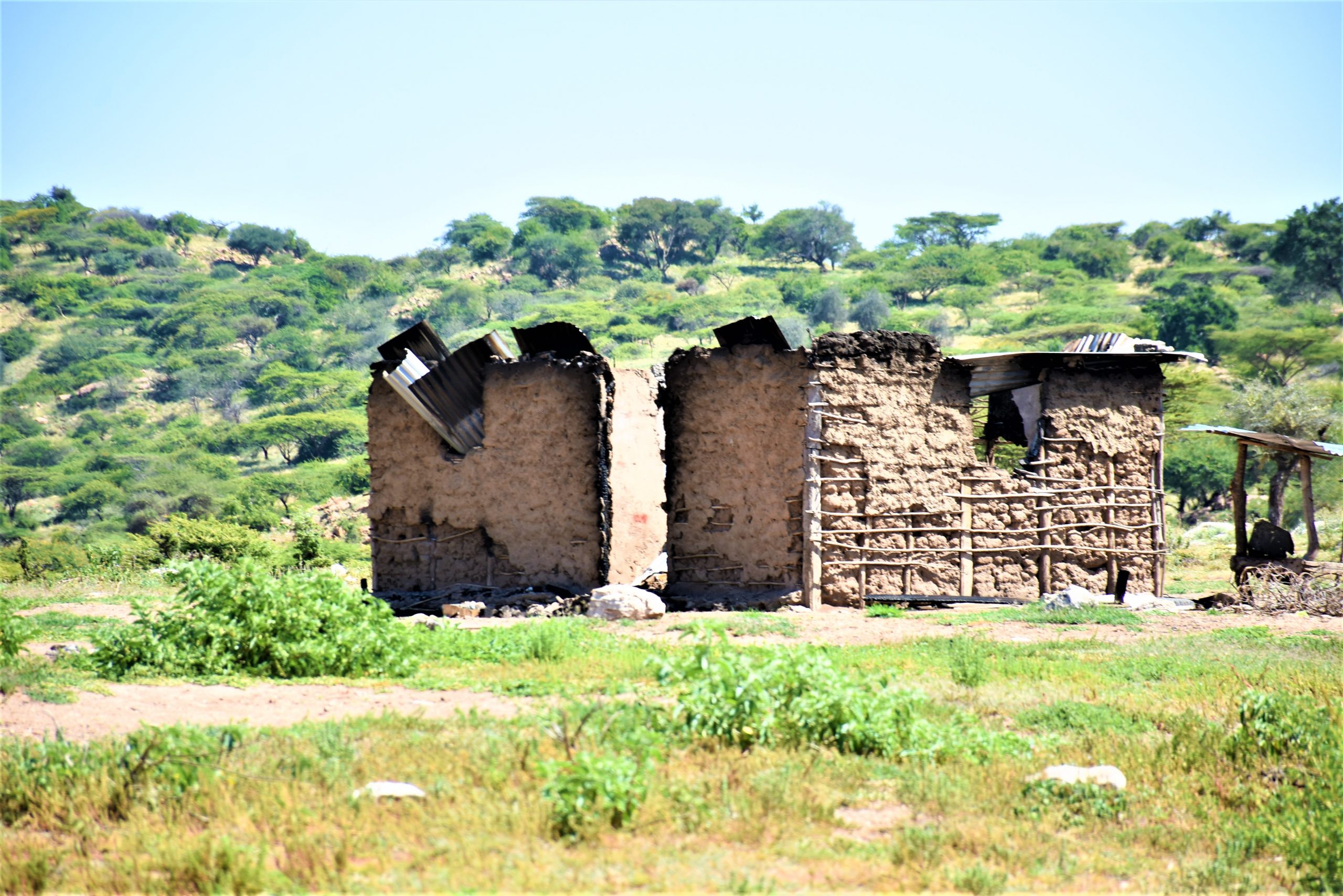
Climate change has been blamed for the conflicts witnessed in Laikipia which have claimed tens of lives and resulted to displacement of hundreds of residents and destruction of properties.
The county, that borders Isiolo, Baringo and Samburu, is inhabited by both pastoralists and farmers and majority of the conflicts happen to the North though sometimes extends to the East and West.
Herders from neighbouring counties, during dryspell, drive their livestock into Laikipia ranches, that occupy about 50 percent of the county’s total land mass, due to depletion of pastures igniting conflicts.
Laikipia County officer in charge of climate John Letei said there was surge in competition over dwindling natural resources such as water and pastures.
The county government, Mr Letei said, had established a climate change unit to coordinate other departments.
The Climate Change Unit will help address the issue of dwindling resources in the county which is as a result of drought and reduced rainfall caused by climate changes.
Additionally, an invasive species is also reducing the amount of pasture for livestock and costing the county so much to weed it out.
“With the support from the county government and donors, the county has already rehabilitated 4, 800 hectares,” Mr Letei said during launch of Mt Kenya Foundation on climate governance in Nanyuki.
To effectively tackle the issues, the Laikipia County government is in the process of establishing a climate change fund to help residents adapt and mitigate effects of climate change.
Pan African Climate Justice Alliance (PACJA) Executive Director Mithika Mwenda said the rising conflicts across the larger Mt Kenya is what prompted PACJA to support the creation of the Mt Kenya Forum on Climate Governance.
He noted that climate change is becoming one of the most serious challenges to Kenya’s achievement of its development goals as described under Vision 2030.
He said the country is yet again in the midst of a drought – which has led to increased vulnerabilities as people in the affected areas face severe crop and livestock losses, famine and displacement which could easily escalate conflicts such as has been seen in Laikipia in the recent past.
Mithika said more worrying is the fact that 80 per cent of the population relies directly on rain fed agriculture.
There is also increasing degradation of the forests in the Mt Kenya region, which coupled with the population increase, declining land sizes and reduced productivity have exposed Kenyans to food insecurity.
Kenya Platform on Climate Governance Coordinator Meryne Warrah said the launch of the Mt Kenya Forum on Climate Governance will enable the sharing of ideas between civil society organizations, county government officials and other crucial stakeholders.
She said the Forum seeks to support the effective engagement of County officials, in climate governance initiatives on policies and climate finance modalities of access.